Fall Prevention Starts Now: Medical Equipment That Helps Reduce Fall Risks at Home
- Feb 05, 2026
- Heritage Home Medical Equipment
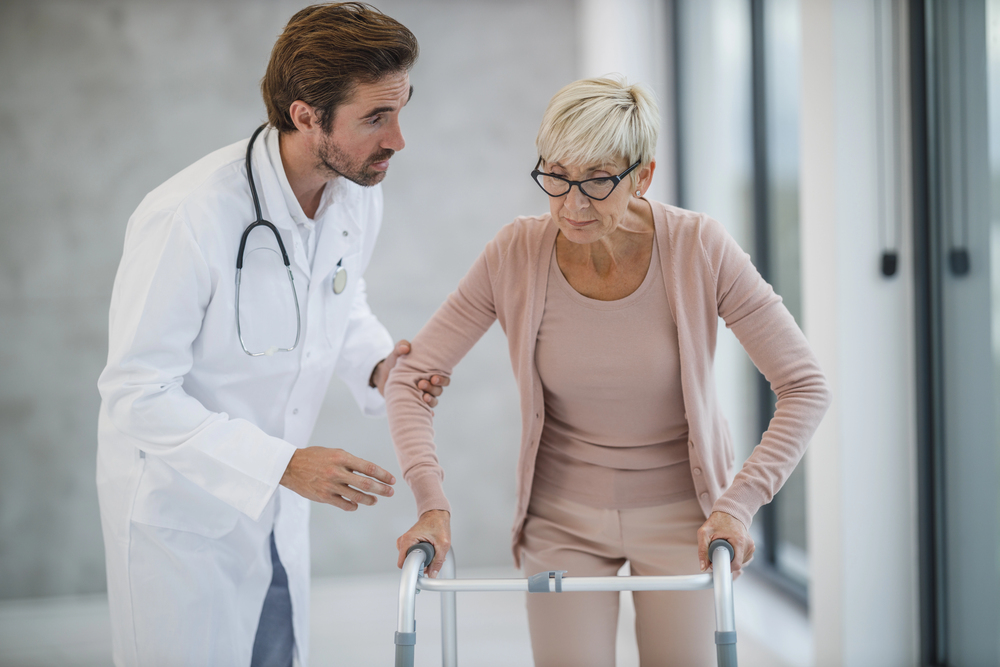 Falls are one of the most common safety concerns at home, especially for seniors and individuals with mobility challenges. As routines change and daily movement continues, even familiar spaces can present unexpected risks.
Fall prevention doesn’t require major changes all at once. Simple adjustments and the right medical equipment can make everyday movement safer and help people feel more confident at home.
Identifying Common Fall Risk Areas in the Home
Many fall risks appear in places used every day. Taking a fresh look at the home can help uncover areas that may need extra support.
Common fall risk areas include:
-
Low or soft seating that makes standing difficult
-
Narrow hallways or cluttered walkways
-
Entryways with uneven transitions
-
Rooms where mobility devices are frequently used
Recognizing these areas early allows families to address risks before an accident occurs.
Supporting Safer Walking Throughout the Home
Walking from room to room should feel steady and predictable. When balance or strength changes, added support can help reduce uncertainty during movement.
Mobility support devices can help by:
-
Providing stability on different surfaces
-
Reducing fatigue during longer walks
-
Helping users feel more secure when turning or stopping
Mobility devices work best when they are properly adjusted, clean, and regularly checked for wear. Routine maintenance helps ensure equipment provides consistent support when it’s needed most.
Improving Accessibility and Reducing Obstacles
The layout of a home plays a major role in fall prevention. Tight spaces, sharp turns, or clutter can make movement more difficult, especially for individuals using wheelchairs or mobility aids.
Improving accessibility can include:
-
Widening pathways where possible
-
Removing unnecessary obstacles
-
Ensuring smooth transitions between rooms
Creating clear, accessible pathways supports safer movement and reduces the chance of trips or loss of balance.Even small layout changes can significantly improve daily safety.
Making Sitting and Standing Safer
One of the most common times falls occur is during transitions between sitting and standing. Joint pain, limited strength, or balance concerns can make these moments challenging.
Supportive seating can help by:
-
Reducing strain on knees and hips
-
Providing steady assistance during standing
-
Allowing smoother, more controlled movement
Seating that assists with sitting and standing can help reduce fall risks during daily transitions. These solutions are especially helpful for individuals who spend extended time seated during the day.
Small Equipment Changes That Make a Big Difference
Fall prevention doesn’t require major home renovations. Often, it’s the combination of small, supportive tools that makes everyday movement safer.
Helpful equipment may include:
-
Mobility aids adjusted for proper height
-
Supportive seating for daily use
-
Home layouts that accommodate movement aids
When equipment fits well and works properly, it becomes part of daily life rather than an added challenge.
Getting Guidance on Fall Prevention Solutions
Choosing fall-prevention equipment can feel overwhelming, especially when safety is a top concern. Being able to see options in person and talk through real-life situations helps families make informed choices.
At our Wichita Falls showroom, customers can explore fall-prevention solutions, compare options, and receive guidance tailored to their home and mobility needs. Our team helps identify practical ways to reduce fall risks while supporting independence and comfort at home.
Taking the First Step Toward a Safer Home
Fall prevention starts with awareness and simple, thoughtful changes. With the right equipment and guidance, home can continue to feel safe, comfortable, and supportive.
Visit our Wichita Falls showroom to explore medical equipment designed to help reduce fall risks and support safer movement at home.